The animated superhero film that put the world on the edge of their seat finally returned after the 14-year wait. The sequel kicks off right where it started – the Underminer trying to rob a bank and the Parrs’ along with Frozone failing to catch him. Surprisingly, after the Underminer slips through their fingers, we do not see him again in the film. However, it is evident that the Underminer is just a small bump in the road towards something much more, dare I say… incredible.
Violet Parr trying to keep her cool after Tony discovers her identity. Source: pixar.com (see above)
The lights and cameras shift to Helen, or as she is more commonly known to the world, Elastigirl. Helen, Bob and Lucius are approached by Winston Deavor and his sister, Evelyn Deavor. They own a telecommunications company, DEVTECH, with Winston fronting this organization and Evelyn developing the technology. The siblings explain the sad demise of their father and then Winston goes on to optimistically explain how he wants to bring back what his father had once believed in: the legalisation of Supers. However, this can only be done with Elastigirl at the helm of it all since, according to Evelyn, she is the least destructive out of the trio.
Frozone (Lucius). Source: pixar.com
Then we drive into a world where Elastigirl takes centre stage and kicks-ass all while saving the city and fighting off a villain bigger than her. It seems we see a new side to Helen as she goes back to being a superhero while Bob takes care of the kids. It is refreshing to see a change in the parenting dynamics that may not have transitioned so well had Brad Bird not come back to write and direct the sequel. We see a closeness between Bob and his children – Violet, Dash and Jack-Jack and an air of independence for Helen.
Elastigirl on the way to save the day. Source: pixar.com
It is truly brilliant to see Holly Hunter take Helen and bring her to the forefront. Hunter provides so much more tenacity to the character this time around and does it so effortlessly. Helen is a beacon for all the Supers in the film, to show the world that they need them. She is also doing this not only for herself, but for her family in order to secure a better future for them.
Speaking of said children, we see Violet struggling with being a teenager, Dash struggling with math homework and Jack-Jack developing an array of powers ranging from laser beam eyes to disappearing into the fourth dimension. A sleep deprived Bob who cannot seem to keep everything under control at home then goes to “Aunty” Edna for help with Jack-Jack.
The minute that Brad Bird’s distinctive accent of Edna Mode comes on screen, you can hear a grin from the audiences. Would it really be The Incredibles without the renowned superhero costume designer who took the world by storm back in 2004? The brilliance of Edna Mode’s mind and style is showcased in this film yet again and she is riveting when on screen. Her bluntness is admirable even if she is only on screen for a few minutes.
Bird brings in a lot more humour, heart and characters to this sequel that will leave fans wanting more. It is one of those rare movies that lives up to its predecessor. The Incredibles 2 is definitely a movie worth watching. It is one that will continue to steal the hearts of its viewers for years to come – in an Edna Mode fashion.
The stage was set as the lights shone down on the Malaysian Philharmonic Orchestra at Dewan Filharmonik PETRONAS (DFP), Kuala Lumpur. There wasn’t a sound from the audience once their attention had been caught by the musicians of the orchestra. The concertmaster stood up from his seat and signalled for the tuning note to be played just before the side door opened and the conductor, Eiji Oue, stepped out.
He walked up to the first violin and shook hands with the concertmaster before taking his place, centre stage. There was pin drop silence as the ensemble sat with their violins to the crook of their neck, bows at the cello strings and lips at the trombone’s mouth piece.
One flick of his wrist and the orchestra descended into Ludwig van Beethoven’s Leonore Overture No. 3 Op.72b (1806). The melancholy sounds echoed through the great hall in a seamless wonder. The piece went from crescendo to diminuendo and transitioned from minor chords to major throughout the 14 minutes. Oue definitely did justice to Beethoven’s work as he let each section of instruments sing beautifully as separate entities and together as one.
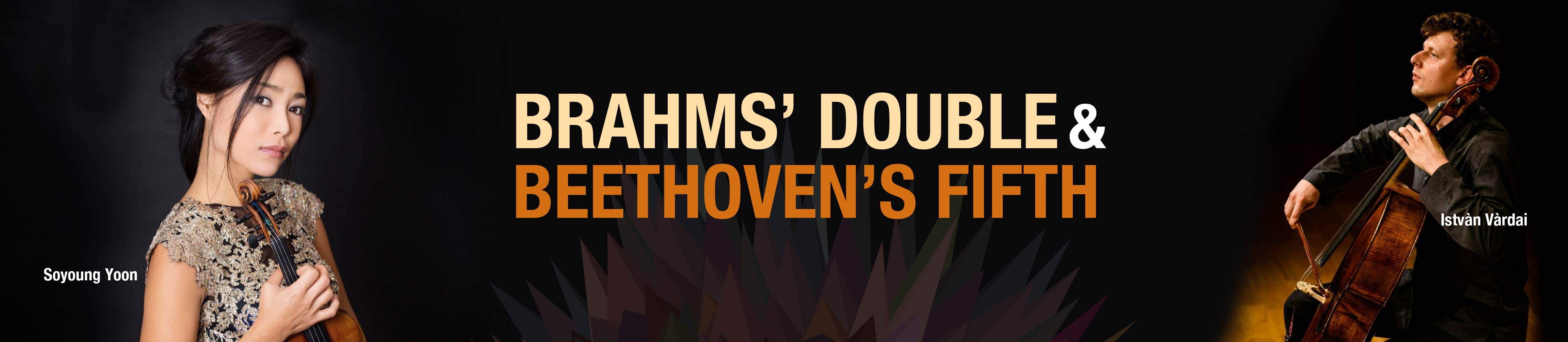
As the timpani rolled out until the end, the orchestra was met with a round of applause from the audience. Oue and the first violin walked off stage in preparation for the next piece. Stage hands scurried onto stage as they made way for the two soloists of Johannes Brahms Concerto for Violin and Cello in A minor, Op. 102 (1887). The cellist and violinist, István Várdai and Soyoung Yoon, respectively, walked onto stage with their instruments shortly after and Oue was not far behind.
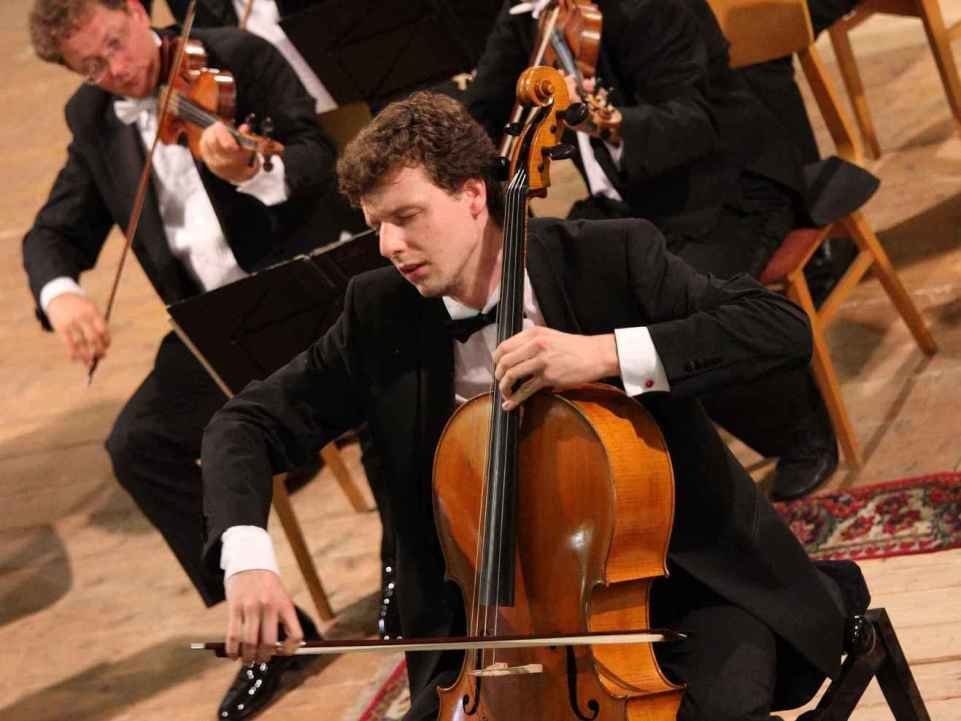
The 32-year-old Hungarian, Várdai, took his place next to South Korean violinist, Yoon beside the conductor’s podium. The orchestra opened the concerto with an omnipresent sound which was then taken over by Várdai and his cello that cried out in A minor. Slowly, the orchestra gave life into the depressing chords from the cello, only to be brought back to that dark place by both the violin and the cello. Throughout the piece, the strengths of both soloists were exhibited in a powerful and emotional manner while the orchestra breathed life back into the sorrow of Brahms’ concerto.
The beautiful harmonies that the two soloists produce through their instruments was mesmerising and a delight to the ears. There was a constant battle between the orchestra and the two soloists of happiness and melancholy in the music. Yoon moved with the music even when she was not playing and it was absolutely breath-taking to watch when she did play as her fingers moved with such precision and grace. Both soloists delivered solid performances that made this half-hour long concerto worth every minute.
After the intermission, the orchestra swept the audience into the grandeur of Beethoven’s renowned Symphony No. 5 in C minor (1807). The orchestra blew the audience away with allegro con brio which is the most well-known movement of Beethoven’s fifth symphony. Then they moved on to the second movement: andante con moto which relied more on melody and depth. It played off of two themes which involved the violas and cellos as one and the clarinets and bassoons as the second theme.
The third movement: allegro followed after in a symphonic burst which gave more room for the cellists and double bass to sing in staccato and legato. Last, but not least, came the fourth movement: allegro which brought all the instruments together into one harmonious celebration. The famous composition which spanned 36 minutes lifted the room and transported the audience to a different realm back in time.
Overall, the concert was an absolute delight for classical music lovers and enthusiasts. The two soloists were magnificent and captivating during Brahms’ Concerto and Eiji Oue was a charismatic and insightful conductor who knew when to restrain the music and create suspense. The Malaysian Philharmonic Orchestra definitely embodies prestige in their ability to keep the music alive through technique and raw emotion for the past 20 years.
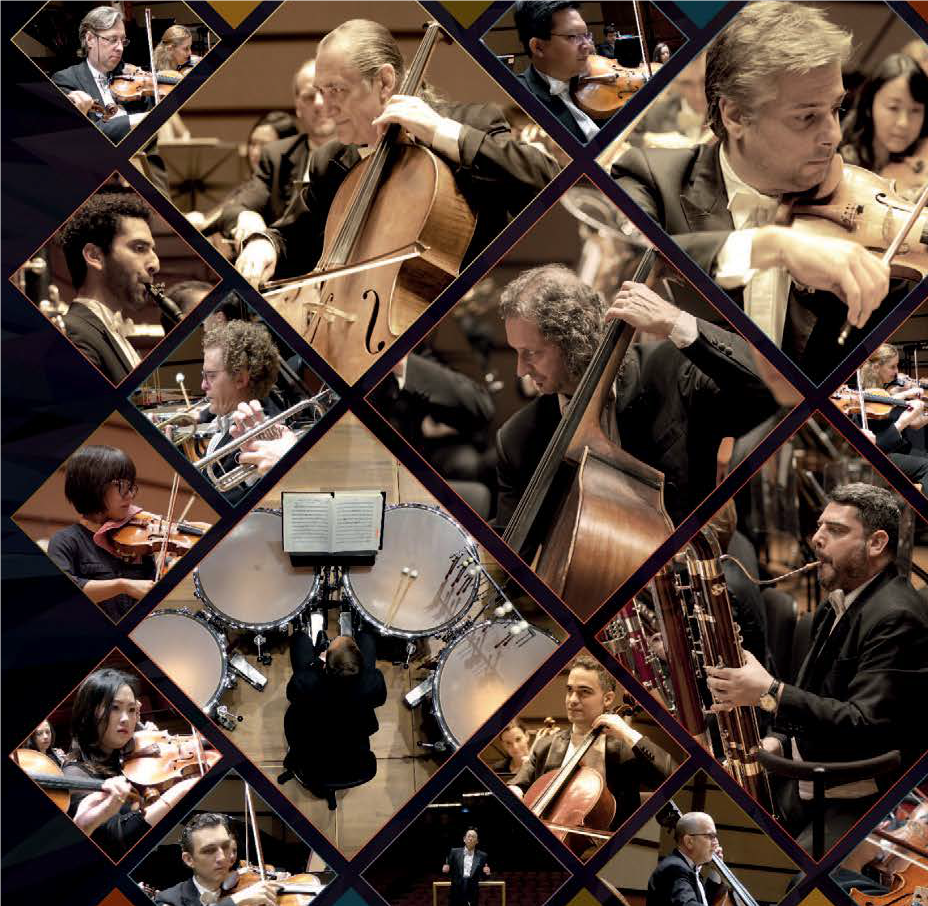
Members of the Malaysian Philharmonic Orchestra. Source: Malaysian Philharmonic Orchestra 20th anniversary special Aug-Dec 2018, pg. 4. http://mpo.com.my/season-brochure/
Note: Due to the fact that audience members were not allowed to take any form of photographs or videos during the concert, pictures included in this blog are from external sources as credited in the caption.
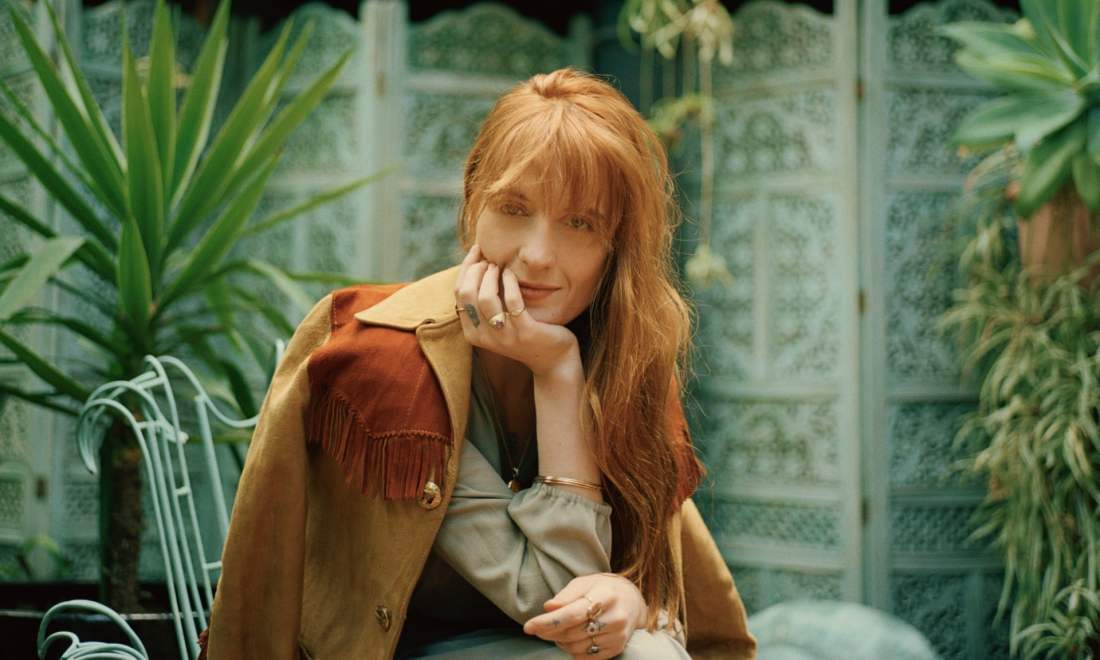
In High As Hope, Florence declutters from the grandiloquent church bells and tribal demons-cleansing hooks and bares her very naked soul on the table. The band’s new LP is an all-stripped-down project which features confessional writing and a more minimalist production.
Here is a track-by-track review of the band’s fourth studio album.
1. Florence opens the album with June, a timely song that sets the theme for listeners. Although rife with instrumentals like double bass, bass trombone, French horn and a muffled piano, June is rooted in an acoustic sound as listeners can tell from its subdued background production and more pronounced vocals. The song picks up from the ending of a show for the band’s last LP How Big, How Blue, How Beautiful, humbly echoes the album’s release date (29th of June) and the Pride month (‘In those heavy days in June / When love became an act of defiance‘), and progresses into a telling admission and a calling for unity (‘I’m so high I can see an angel’, ‘hold on to each other‘).
The siren-sounding synthesizer from the first chorus gives way interestingly to a captivating mood, which is kept on and sharpened by the building up of the rich explosion of instrumentals and background vocals. Ending on a series of quickened drums, June is a promising introduction. Every detail of songwriting is praiseworthy.
2. Tapping into their familiar blender of indie pop and alternative British rock, Hunger is a celebration of vulnerability and of the change that the young people today are bringing about. If I were to describe the song with only one word, it would be ‘captivating’. From a stark confession on her teenage eating disorder (‘at seventeen I started to starve myself‘) to admiring the younger generation (‘you’re the best thing I’ve seen‘), Florence is triumphant as both a storyteller and a comforter. The thunderous drums that storm throughout the song sharpens the intensity of the lifting energy but compared to her past usage of drums, Hungerhas a less pompous offer. As a matter of fact, the tone-down is of a pleasant one as it provides more space to breathe in between.
3. In South London Forever, Florence reminds herself of where she came from: her formative years in the South London music scene. Over a bass riff that spirals throughout the song, Florence sounds intensely uplifting as she remembers ‘the art students and the boys in bands / high on E and holding hands with someone [she] just met.’ The breeziness from the simple yet rich instrumental and the grounded weight in the lyrics are a modest blend; it’s as if Florence is telling stories to you as she runs against the wind down a South London street. Truly, ‘there can be nothing better than this.’
4. Florence arrives with a sombre spell in Big God. Inspired by someone who did not reply her text, Florence sings about her need for a higher entity to handle her emotions. It’s interesting to note the somewhat oxymoron title of the song and some seemingly ambiguous lines that are potential sexual innuendos (‘you need a big God / big enough to fill you up‘). Although Florence’s vocals are strikingly raw (especially her biting emphasis on ‘Jesus Christ‘), the song however, sounds lacking in its sonic progression. The tense vibe, which is maintained by the same regular keys, renders it a rather monotonic digestion for listeners if it were to be played multiple times.
Watch the music video for Big Godhere. (It was inspired by the canvas painting Witches’ Flight by Spanish painter Francisco Goya.)
5. Being the first release from the project, Sky Full of Song seems to be an underwhelming choice to introduce the new sound the band is adopting. Perhaps it’s the unfamiliarity that has rendered the track its lukewarm response for there is no hammering anthem-like choruses and jarring instrumentals that stay stuck in your head. The gravitated love towards Hunger, the second single which was written in a signature Florenc-y structure, further evinces the gap between the band’s new direction and their fans.
However, if you take a step back, Sky Full of Song actually fits in perfectly into the puzzle. The song, although slow, quiet and monotonic, is awash with an unprecedented intimacy and vulnerability from the band. The soft jingling sound in the background is an interesting addition. The highlight is the lyrics, as Florence asks her fans ‘how deeply are [they] sleeping’ and warns her them to ‘be careful’ because ‘the good ones always seem to break’. Here, we can tell that the song makes complete sense, and Florence means it.
6 & 7.Grace and Patricia are Florence’s heartfelt dedications to her sister Grace and American rock songstress Patti Smith respectively. In Grace, Florence pours out every ounce of emotion she harbours for her sister on the table. Some might mistake the song as a jazz song from the piano in the beginning but Grace is a quiet pop ballad with some of Florence’s most intimate songwriting yet (‘You were the one I treated the worst / Only because you loved me the most’).
Patricia, on the other hand, is an upbeat rock song that serves as a homage to Patti Smith, whom Florence sees as a kind of matriarch. Over stomping drums and a melodramatic orchestra, Florence professes her reverence for Smith directly and honestly as she starts off confidently, ‘Oh Patricia you’ve always been a North star‘.
8. To borrow reviewer Alexis Petridis’s words, 100 years is full of ‘every trick in the Florence book’. In the span of five minutes, Florence sings about a period in 2016 when she felt helpless in the face of multiple world events that were happening. Florence is the sole writer of the song and although this is not her first time, it still feels a little different as a listener or a fan to know that the words and the melody are the very product of thoughts by Florence.
100 years. Photo source: facebook.com/florenceandthemachine
The arrangement of the song is of classic Florence but the subdued production has somewhat dampened the words and the energy in the beginning. As a result, the lyrics which have their own noteworthy weight, sound hollow in a glance. However, starting from the bridge, packed with Florence’s powerful but not over-the-top cries and an explosion of instrumentals, 100 years takes on a relatively triumphant energy surge and sounds like what it’s supposed to be.
9. In The End of Love, Florence focuses on the building up of the atmosphere which renders the song a liberating ambience. The song follows the standard structure of a pop song and revolves around a different way to approach and deal with love. During a radio interview on Alt 92.3, Florence explained: “For me, it was about dealing with love in a different way; perhaps not love in a romantic sense, but the end of love that came from a place of lack or need”.
The lyrics in the song are rather simple and direct but Florence manages to capture and explain her visions with a few sharp metaphors such as the flood and Joshua. The same is observed with the production which resonates perfectly with the lyrics. The song has a quiet but progressively soaring orchestra before it breaks into an ear-catching decrescendo of the synthesizer, followed by only the piano and Florence’s overlapping vocals. The End of Love is a personal favourite from the album. (The metaphor of the ‘floorboards’ just gets me every single time!!!)
Fun fact: The End of Love was the original title for the band’s album but ‘High As Hope’ was chosen for the former was too ‘negative’.
10. The album wraps up interestingly (and literally) with No Choir, the simplest yet the loudest bell Florence has rung in the whole record. Featuring only Florence and the piano, the track is a fulfilling and reasonable sign-off both melodically and lyrically; Florence sings about returning to her roots and bareness, reminding listeners once again of the freedom she finds in her vulnerability that unlike her past approaches, she does not need bombastic percussion, heavenly harp and ‘grand choirs to sing’. She is alone, that ‘the loneliness never left [her] / [she] always took it with [her]’. Amid the ‘things [that] seem so unstable’, Florence relishes in the entire process.
By lowering the pompous production and heightening a cohesive sense of intimacy, Florence balances rather steadily, and gracefully on the walking rope with High As Hope. Perhaps it is the maintenance on the steadiness that has weighed her down a little, but there is really not much to complain for you don’t always have to reach for the stars and that is fitfully what being vulnerable is all about. Florence has not only knocked on the door gently and consciously this time, but the album also proves to be a solid venture.
Rating: 3.5/5
Stream the album High As Hope by Florence + the Machine here.
Contains spoilers – you have been warned young Jedi.
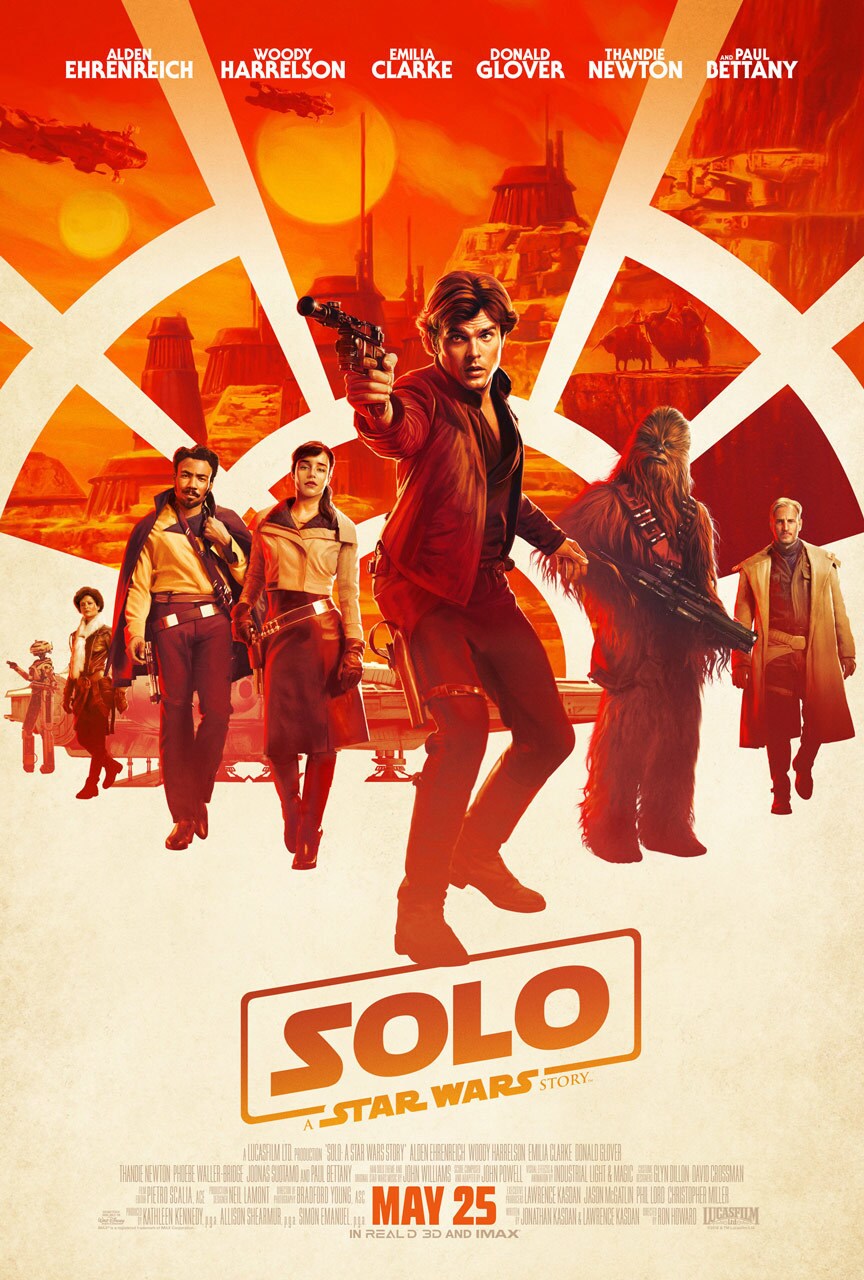
SOLO: A STAR WARS STORY is the second instalment in the anthology series A Star Wars Story. The movie centres around Han Solo – the rogue outlaw who’s partner in crime is everyone’s favourite Wookie, Chewbacca. The movie stars Alden Ehrenreich as Solo, Donald Glover as Lando Calrissian and Joonas Suotamo as Chewbacca, the well-known characters from George Lucas’ introduction of the first few Star Wars films. It also stars Emilia Clark as Qi’ra, Woody Harrelson as Tobias Beckett and Paul Bettany as the villain, Dryden Vos, as new introductions into the Star Wars movie series.
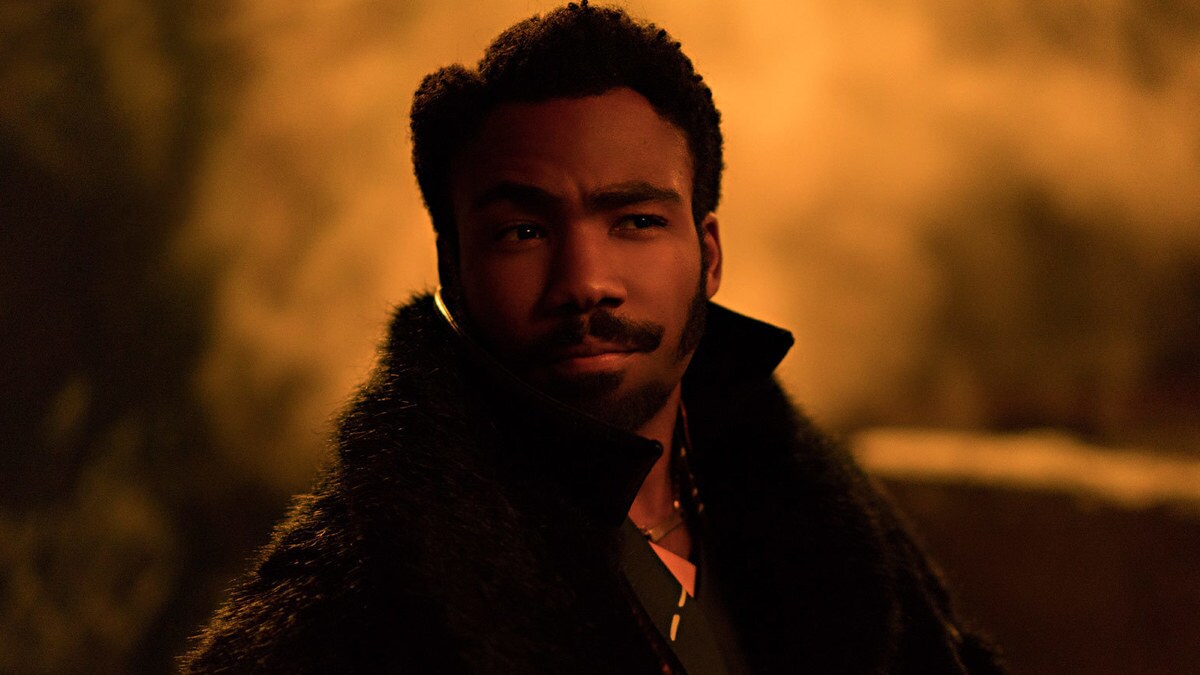
It is clear throughout the movie that the stand out performance was delivered by Donald Glover who, as mentioned earlier, played the charming and slippery smuggler, Lando Calrissian. Considering the pressure that it takes to play a younger version of a character that is so well known and loved by so many fans, Glover fit the role like a glove. He played Calrissian with such ease and agility that it was easy to say that the person on the screen was 100 per cent Lando Calrissian.
It is clear that there is a lot more at stake when it comes to playing Han Solo especially since Harrison Ford has portrayed him four times in the Star Wars franchise. Han Solo is also a major character in the franchise whereas Gorge Lucas brought in Calrissian in Empire Strikes Back as a supporting character from Solo’s past who is only really explored in this film.
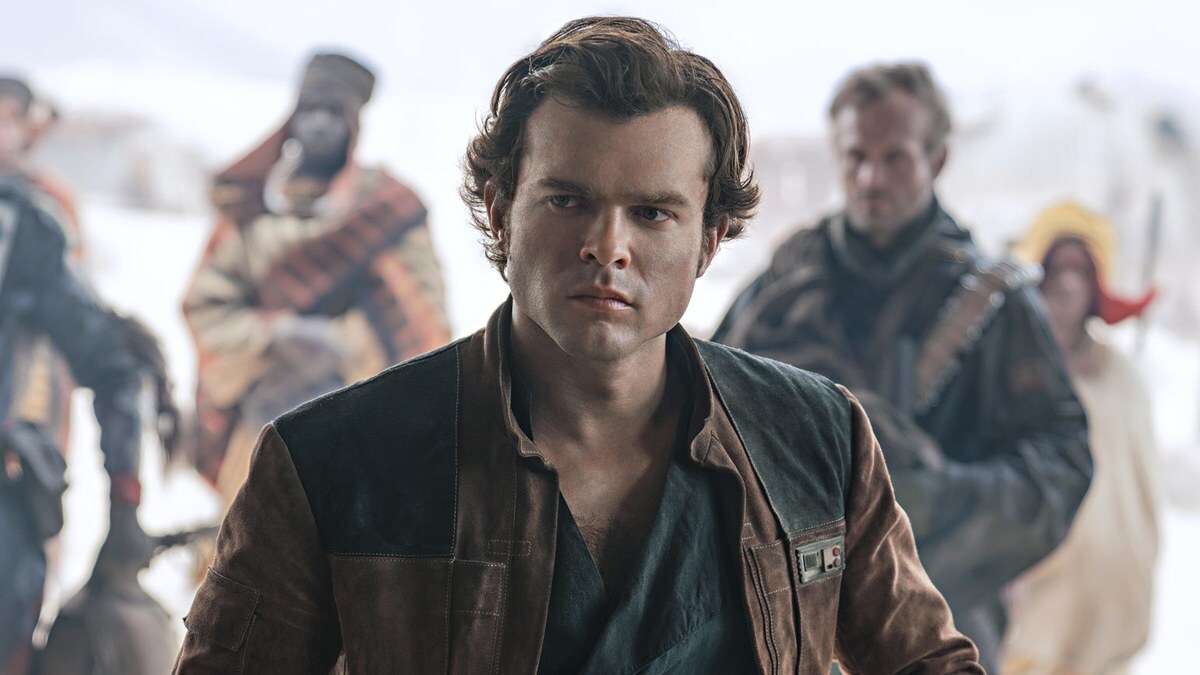
Initially it is strange to see Ehrenreich on screen playing Han Solo who so many of us already envision as Harrison Ford. However, this does not mean that his performance is not worth acknowledging. Throughout the course of the movie Ehrenreich’s version of Solo starts to grow on you and you learn to appreciate the little things that the actor does in order to mimic Ford’s masterful version of Solo.
Once one stops comparing the two versions of the character and views them separately, it is clear that Ehrenreich is a worthy adversary for Glover’s Calrissian. In his own way, he shows the naivety of Solo before he was betrayed by the people around him. In contrast, Ford’s version is tough and guarded. Thus, it is actually necessary to view the two Solo’s as separate entities considering that one is evolving into another.
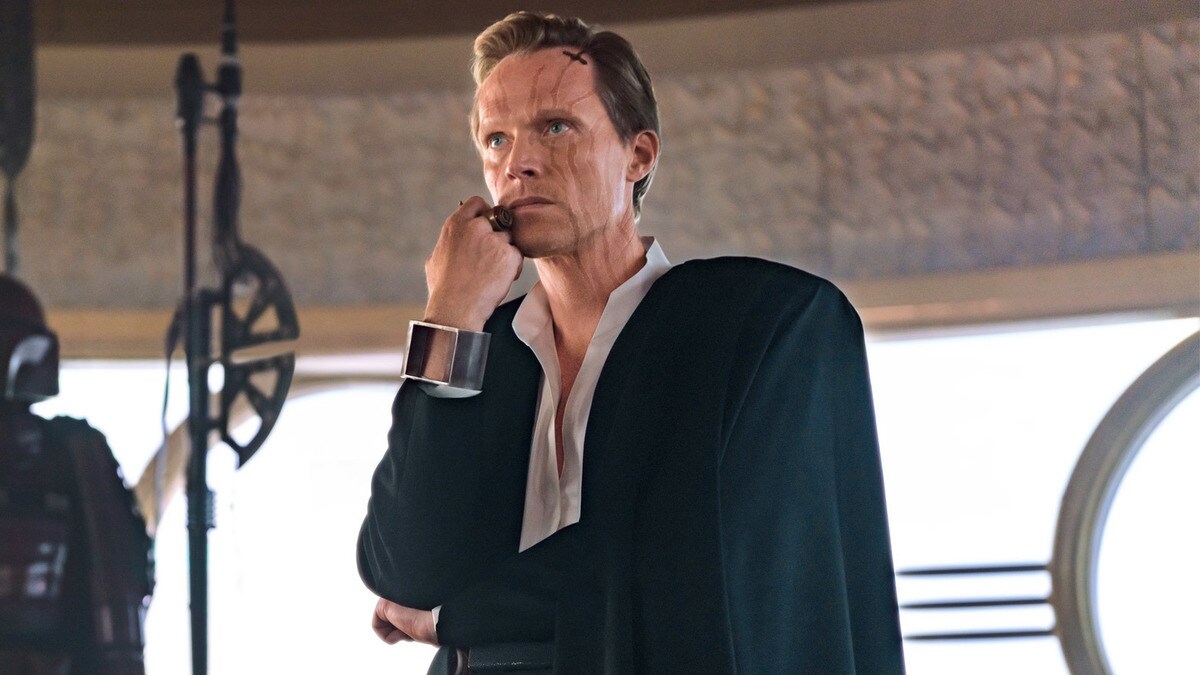
Chewbacca as usual captures the audience with his Shyriiwook and bravery. Dryden is your typical villain who treats people like things and Paul Bettany brings out a “casting couch” aura in his character.
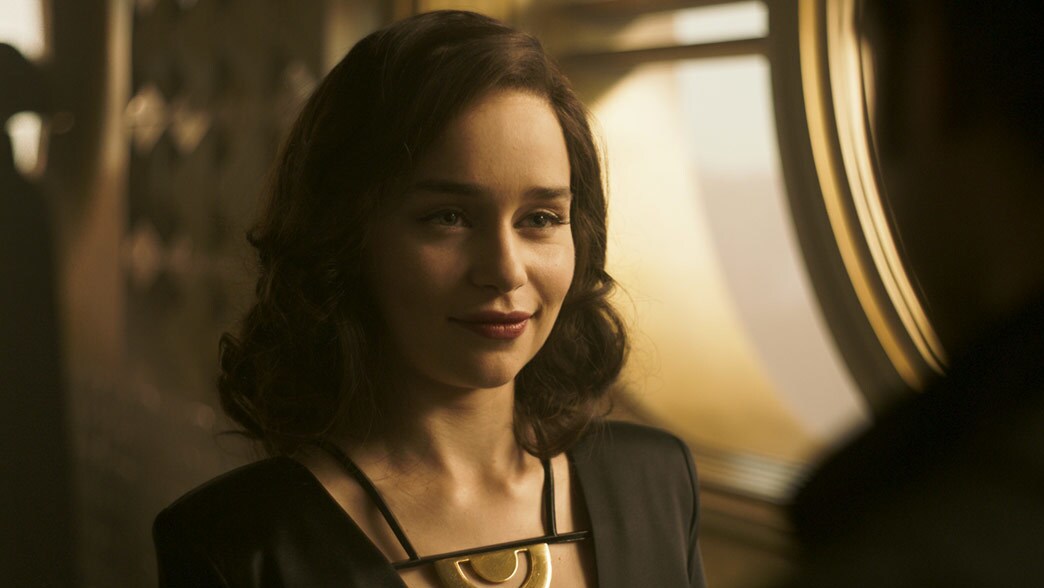
Clark’s portrayal of Qi’ra does not leave viewers at ease. There is no doubt that she brings her own charm and mystery alluding to the characters dark past, but there is something unsettling about her. Perhaps that was the point of the character – to leave viewers unsettled.
It is clear that there is not a lot of chemistry between Ehrenreich and Clark and that shows in their characters. Thus, when Qi’ra leaves Han and Chewie on Savareen after Dryden is killed, there is no remorse. This could also be because Star Wars fans know that he is going to end up with Leia.
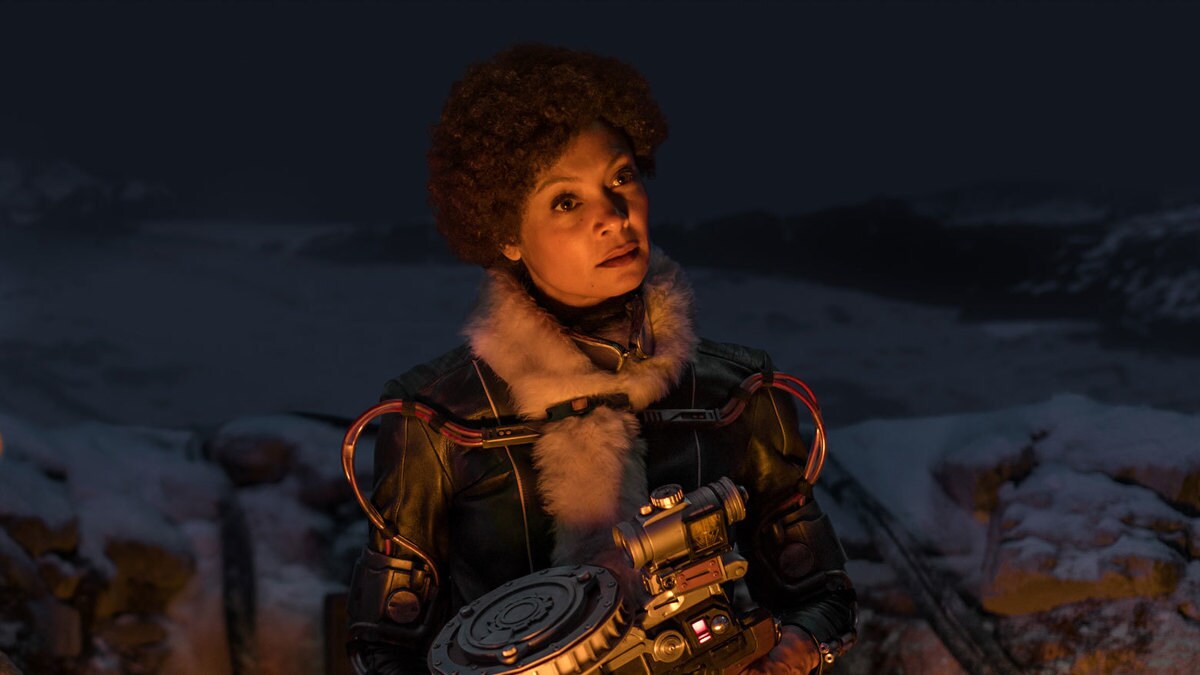
Woody Harrelson seems to be playing an evil version of himself and Thandie Newton’s Val is a stand out that deserved more screen time. Jon Favreau lent his voice to the lovable monkey, Rio Durant, who had so much more potential.
Naturally, these characters had to be killed off, betray Han or betray Han then get killed off in order for the story to tie into A New Hope. This leaves the dynamic duo: Han and Chewie on the Millennium Falcon flying off to Tatooine.
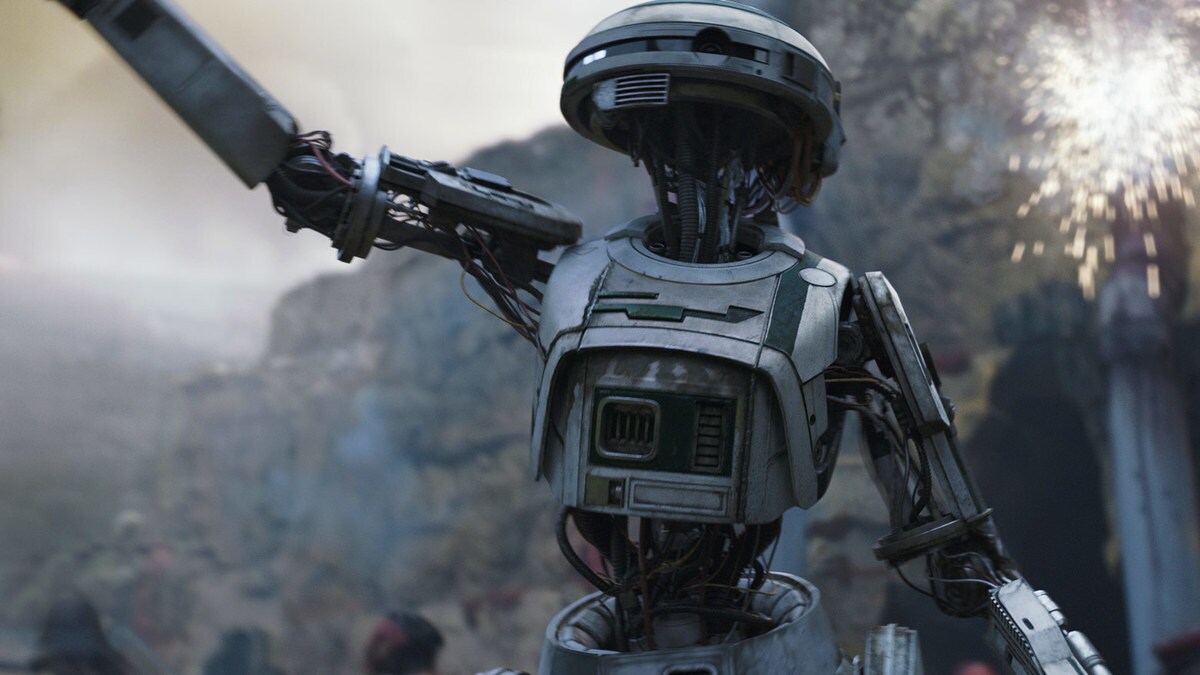
A notable mention is L3-37: the robot activist who fights for equal rights for droids and tries to set them free. She has one of the best navigating systems in the galaxy and her data is eventually transferred into the Millennium Falcon once she is damaged beyond repair. She is in love with Lando but plays it off as if he is in love with her and provided comedic relief with her dialogue.








 Teh Tarik & Cendol